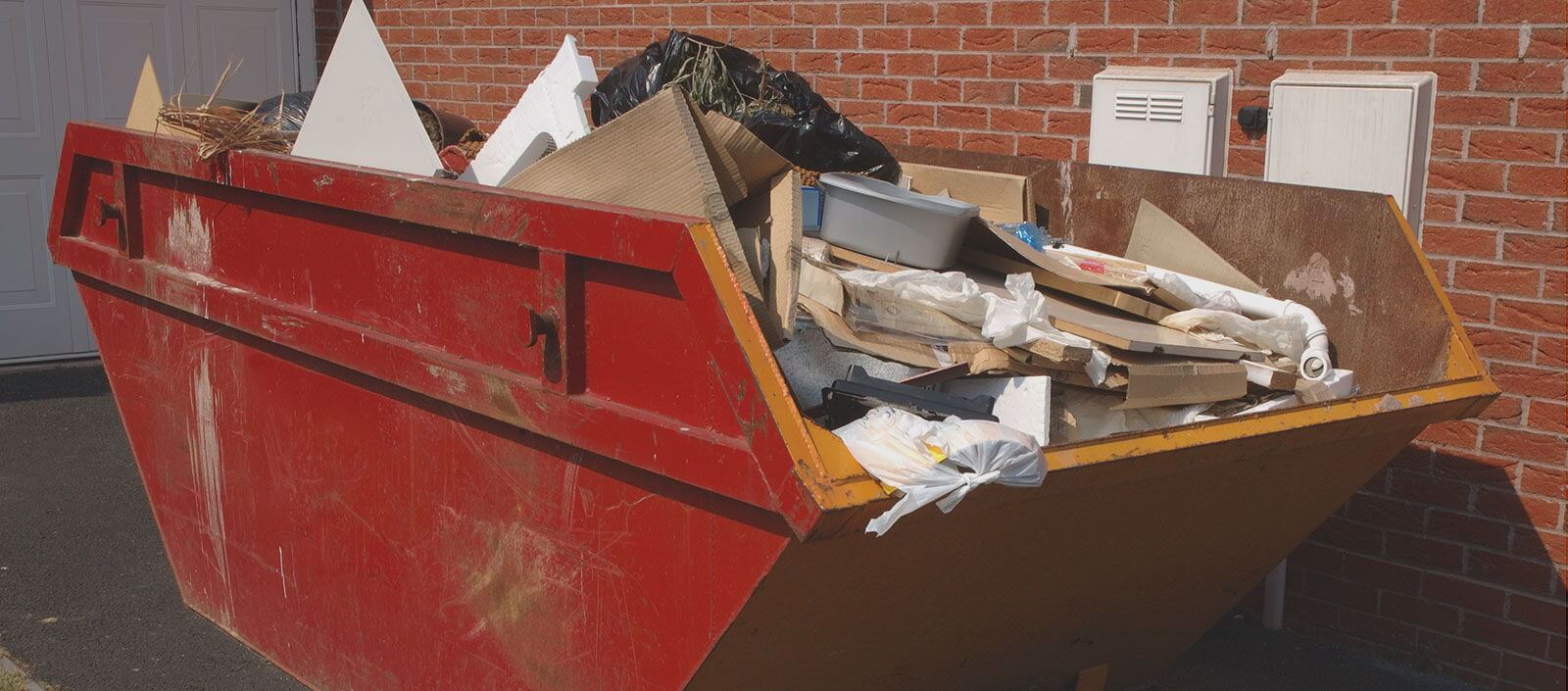
Waste removal services for Vicarage Road area Watford
Posted on 02/09/2026
Waste Removal Services for Vicarage Road Area Watford: A Practical Local Guide
If you live, work, manage property, or run a busy little business near Vicarage Road in Watford, rubbish has a way of building up fast. One moment it is a broken chair, a couple of bin bags, maybe some packaging from a new delivery; next thing you know, it is in the corner of the hall, taking up space and quietly annoying everyone. That is exactly where waste removal services for Vicarage Road area Watford can make life easier. This guide explains how the service works, what to expect, and how to choose the right approach for your situation without overpaying or making avoidable mistakes.
We will also cover local considerations, compliance basics, and the practical differences between rubbish collection, household clearance, office clearance, and specialist disposal. No fluff. Just the stuff that helps you get it done properly.

Why Waste Removal services for Vicarage Road area Watford Matters
Vicarage Road is one of those parts of Watford where everyday life can shift quickly. You might be dealing with a flat refurbishment, a busy shop unit, student turnover, family downsizing, garden work after a weekend clear-out, or the aftermath of a delivery day that left more cardboard than you expected. Waste builds up in different ways, but the pressure is similar: you need it gone, properly, and without disrupting the people around you.
That matters here because local streets, access points, parking patterns, and neighbour proximity all affect how waste is handled. A pile of bagged rubbish left too long outside a property looks untidy, attracts attention, and can become a nuisance. For businesses, it can also affect customer confidence. For landlords and agents, it can slow down handovers. For families, it can just make a room feel smaller and more stressful than it already is.
There is also the practical side. Some items are awkward, some are heavy, and some are simply not suitable for ordinary bin collections. Think mattresses, wardrobes, broken appliances, old office furniture, mixed builders' waste, or damp garden clippings after a rainy spell. Let's face it, most people do not want to drag that lot through a stairwell or pack it into a car boot at 7 a.m.
That is why a well-organised local clearance service is useful. It removes the friction, clears the space, and helps you move on with the actual job you wanted to do in the first place.
How Waste Removal services for Vicarage Road area Watford Works
At a practical level, waste removal is usually a straightforward process. You identify what needs to go, describe it accurately, arrange a collection, and let the team handle the lifting, loading, and disposal. Simple on paper. In real life, the details matter.
Most jobs start with an enquiry or quote request. You will normally be asked what type of waste you have, how much of it there is, and whether access is easy or awkward. A ground-floor flat with on-street access is one thing; a third-floor flat with narrow stairs and no lift is another. Likewise, a pile of old furniture is different from a mixed load containing timber, metal, plasterboard, and general household rubbish.
Once the scope is clear, the collection is scheduled. On the day, the team usually arrives, assesses the load if needed, and removes the waste safely. Good operators separate material where possible, because sorting can improve recycling outcomes and keeps disposal more efficient. You can see why a local understanding helps here. Routes, loading space, and timing all affect how smoothly things go.
If you want a broader overview of how the company positions its work, the services overview is a useful place to start. And if your waste includes heavier or bulkier household items, the dedicated pages for furniture removal in Watford and white goods and appliance disposal can help you understand what is usually handled separately.
Some jobs are quite ordinary. Others are a bit more chaotic, like a flat clearance after a move-out where there are three kinds of curtain rail, two lamps that no longer work, and a suspicious number of extension leads. That is normal, actually.
Key Benefits and Practical Advantages
Good waste removal is not just about getting things out of the way. It affects how fast you can finish a project, how tidy a property feels, and how much effort you personally spend on logistics. The benefits are often more practical than dramatic.
- Faster clearing of space: Ideal when you need a room, hallway, garden, or office cleared quickly.
- Less manual lifting: Heavy lifting is one of the easiest ways to injure yourself on a bad day.
- Better presentation: Useful for rentals, property sales, office moves, and home renovations.
- More reliable disposal: Reputable operators follow proper disposal routes instead of cutting corners.
- More flexibility than standard bins: Great for bulky or mixed waste that local collections may not take.
There is also a quieter benefit that people overlook: peace of mind. When rubbish is stacked in a corner, you keep noticing it. Once it is gone, the room feels lighter. The sound changes a bit too, oddly enough. More open. Less cluttered. You walk in and think, right, now I can actually use this space.
For property owners and landlords, waste clearance can also reduce delays between tenancies. For businesses, it can protect productivity and keep work areas safe. And for homeowners, it often turns a half-finished task into a finished one, which is satisfying in a very basic but real way.
Who This Is For and When It Makes Sense
This type of service is useful for more people than you might expect. It is not just for big clear-outs or building sites. In many cases, it is the sensible option for everyday situations that get messy quickly.
- Homeowners clearing lofts, garages, spare rooms, sheds, or gardens
- Tenants preparing for end-of-tenancy inspections or moving out
- Landlords and letting agents dealing with left-behind items or property resets
- Businesses replacing office furniture, clearing stock, or removing packaging waste
- Builders and tradespeople needing removal of renovation debris and site waste
- Families handling bereavement clearances or downsizing projects
It makes sense when the waste is too bulky, too much for ordinary collection, too awkward to move safely, or simply too time-consuming to sort yourself. If you are spending a whole afternoon calculating how many car trips it would take, that is usually your sign.
For property-related situations, the local context matters too. If you are buying, selling, or letting a place nearby, waste removal often sits alongside wider preparation tasks. Articles such as real estate transactions in Watford, tips for savvy Watford property investments, and Watford living conditions from local perspectives can help frame the bigger picture if you are making decisions about a home or investment nearby.
And if you want to understand more about the wider area and how local life shapes service needs, there is a helpful local read on uncovering Watford as a suburban London location.
Step-by-Step Guidance
If you want the job to go smoothly, a little preparation helps. Not a huge amount, just enough to make the collection efficient and avoid surprises. Here is a practical approach.
- Walk through the space first. Check every room, cupboard, loft corner, and outside area. Waste has a habit of hiding in plain sight.
- Separate what should stay and what should go. This sounds obvious, but mixed piles often create confusion on the day.
- Flag bulky, heavy, or awkward items early. Sofas, wardrobes, broken appliances, and renovation rubble may need special handling.
- Take note of access. Is there parking nearby? A narrow path? A flight of stairs? A locked gate? These details matter more than people think.
- Ask for a clear quote. You want to understand what is included, what might change the price, and whether loading, labour, and disposal are covered.
- Prepare the waste area. If possible, group items together so the crew can work efficiently. No need to stage a military operation, just keep things accessible.
- Confirm timing and any restrictions. This is especially useful for shared buildings, commercial premises, or streets with limited stopping space.
- Check the disposal approach. Responsible services should be able to explain how waste is handled and whether some materials are recycled.
In a typical flat clearance near Vicarage Road, for example, the difference between a smooth job and a frustrating one often comes down to small things: whether the lift is working, whether the waste is already bagged, and whether the team can park within a reasonable distance. Not glamorous, but very real.
Expert Tips for Better Results
Here are the sort of tips that save time, reduce costs, and make the whole process less annoying.
1. Be honest about volume
Underestimating the amount of waste is one of the quickest ways to end up with a revised quote or a longer job. If you are not sure, send photos and describe the load in plain terms. "A few bags" and "about ten mixed black bags plus a dismantled wardrobe" are very different things.
2. Group similar items together
Mixed waste can be perfectly fine, but if you can separate furniture, cardboard, green waste, and general rubbish, that often makes the job smoother. It may also help with recycling and disposal planning.
3. Clear a path before the crew arrives
This sounds tiny, but it saves time. If the team can reach the items easily, they can finish faster. If they have to navigate around bins, bikes, and three boxes of old books, the whole job slows down.
4. Ask about specialist items
Fridges, freezers, mattresses, some electricals, and certain building materials can require special handling. Better to ask early than have a delay on the day.
5. Think beyond the immediate pile
Sometimes people book a waste removal because of one visible mess, then realise there are three more in the loft, shed, or office cupboard. If that sounds familiar, consider doing a proper sweep once rather than repeating the job three times. Your future self will thank you.
For recycling-minded customers, it is worth looking at the company's recycling and sustainability information too. It gives you a better feel for how materials are handled after collection.
Common Mistakes to Avoid
Most waste removal problems are avoidable. The awkward bit is that people often only realise this after a bad experience. So here are the common traps, in plain English.
- Waiting too long to book: If you leave the job until the last minute, you lose flexibility and can create avoidable stress.
- Mixing recyclable items with general waste without checking: This can complicate sorting and may reduce how efficiently the load is handled.
- Assuming everything can be collected the same way: Not all items are treated equally. Appliances, builders' waste, and household rubbish are different categories.
- Ignoring access issues: Narrow entrances, restricted parking, and shared stairwells can all change the plan.
- Choosing solely on price: Cheapest is not always best. If a quote looks unusually low, ask what is included.
- Not checking credentials: This is a trust issue as much as a compliance issue.
One thing that catches people out is the assumption that "rubbish is rubbish." In practice, the type, condition, and destination all matter. That is why a clear description is useful from the start. Saves everyone a headache.
Tools, Resources and Recommendations
You do not need fancy equipment for most waste clearances, but a few basic tools and habits make the process far easier.
- Large rubble sacks or heavy-duty bin bags: Useful for bagging smaller loose items before collection.
- Marker labels: Helpful if you are separating keep, donate, recycle, and dispose piles.
- Gloves and sturdy shoes: Simple, sensible protection when sorting or moving items.
- Measuring tape: Handy for bulky furniture or awkward access points.
- Phone photos: Probably the best practical tool for getting an accurate quote without playing twenty questions.
On the planning side, it helps to have a clear sense of what kind of service you need. General rubbish removal, household collection, office clearance, garden waste, or builders' waste all point in slightly different directions. If you are unsure, a good starting point is the main waste removal service in Watford, then drill down into the more specific option from there.
For additional local context, the company's blog on rubbish removal on St Albans Road North is a useful example of how waste issues play out in real Watford streets, where access and timing often shape the job as much as the rubbish itself.
Law, Compliance, Standards and Best Practice
Waste collection is not just a convenience service. In the UK, it sits within a framework of duties and expectations that responsible operators should take seriously. You do not need to become an expert yourself, but you should know the basics.
First, a proper waste carrier should be able to explain their compliance position clearly. That includes how they transport waste, where it goes, and how they handle different material types. If a provider is vague about this, that is a warning sign. You want traceability, not mystery.
Second, duty of care matters. In practice, that means waste should be managed responsibly and passed to appropriate facilities. As a customer, you should keep records or confirmations where relevant, especially for business waste or larger clearances. It is a simple habit that can save a lot of bother later.
Third, safety should be part of the service, not an afterthought. Heavy lifting, sharp materials, awkward furniture, broken glass, and damp waste all carry risk. A professional team should work in a way that protects both your property and the people handling the load. If you want a sense of the company's approach here, their insurance and safety information is worth reviewing.
For businesses, compliance also means being careful about records, access, disposal routes, and any contractual terms that affect collection frequency or item types. The pages on commercial waste removal and waste carrier licence and compliance are especially relevant if you are responsible for an office, retail unit, or managed property.
And yes, it can feel a bit admin-heavy. But the alternative is often a far bigger mess.
Options, Methods, and a Quick Comparison
Not every clearance needs the same approach. Choosing the right method depends on how much waste you have, how quickly it needs to go, and how much physical work you want to do yourself.
| Option | Best for | Pros | Trade-offs |
|---|---|---|---|
| DIY disposal | Small, manageable loads | Can be cheaper if you already have transport | Time-consuming, physical effort, multiple trips |
| Standard bin or council-style collection | Routine household waste | Good for regular disposal | Not suitable for bulky items or larger clear-outs |
| Local waste removal service | Mixed waste, bulky items, urgent clearances | Fast, convenient, labour included | Costs more than doing it yourself |
| Specialist clearance | House clearances, offices, lofts, builders' waste | Better for complex loads and larger volumes | Needs more planning and accurate description |
For many people in the Vicarage Road area, the sweet spot is a local collection service: faster than DIY, less restrictive than routine bin use, and far less hassle than trying to organise several separate disposal runs. If you need a more specific type of collection, the pages for rubbish collection and domestic waste collection are good nearby references.
Case Study or Real-World Example
Picture a typical week in a Watford flat near Vicarage Road. The tenant has just moved out, leaving behind a tired sofa, a broken desk, several bags of mixed clutter, and an old microwave that no one wants to carry down the stairs. The landlord wants the place ready for viewings as quickly as possible. The hallway is narrow, the lift is temperamental, and parking is not exactly generous. Lovely, right?
In that situation, waste removal is doing more than clearing rubbish. It is restoring the property to a usable state. A well-planned collection would start with photos, a rough item list, and a check on access. The team would then arrive prepared for the load, move items safely, and leave the flat ready for cleaning or repair work.
The main lesson from situations like this is simple: clear communication makes the job easier for everyone. When the waste type, quantity, and access conditions are accurate, the removal can be quick and tidy. When they are vague, the day gets longer for no good reason.
I have seen jobs like this turn from "we need it gone this afternoon" to "actually, that was easier than expected" simply because the planning was done properly. A small thing, but it changes the tone of the whole day.
Practical Checklist
Use this checklist before booking waste removal around Vicarage Road. It keeps things neat and avoids the usual last-minute scramble.
- Identify the waste type: household, furniture, garden, office, builders', or mixed rubbish
- Estimate how much there is, even if only roughly
- Take a few clear photos from different angles
- Check access, stairs, parking, and any building restrictions
- Separate items that are staying from items that are going
- Flag heavy, sharp, fragile, or electrical items
- Ask whether loading, labour, and disposal are included
- Confirm how the waste will be handled after collection
- Review the provider's safety and compliance information
- Choose a time that reduces disruption for neighbours, tenants, or staff
Expert summary: The best waste removal jobs are usually the ones that feel unremarkable on the day. That is the goal. A clear description, sensible access, realistic timing, and a responsible operator can turn a messy task into a very ordinary one. Which, honestly, is exactly what you want.
Conclusion
Waste removal services for the Vicarage Road area of Watford are most valuable when they save you time, remove physical strain, and handle disposal properly. Whether you are clearing a flat, freshening up a garden, resetting an office, or dealing with renovation debris, the right service should feel organised, local, and dependable.
The trick is to match the job to the right type of removal, give accurate information, and choose a provider that is clear about safety, compliance, and recycling. Do that, and the process becomes much easier than most people expect. One less thing to juggle. One less pile in the corner. That makes a difference.
Get a free quote today and see how much you can save.
And if you are still deciding, take your time. A good, tidy clearance has a calming effect that people do not always notice until after the van has gone and the space finally feels like yours again.