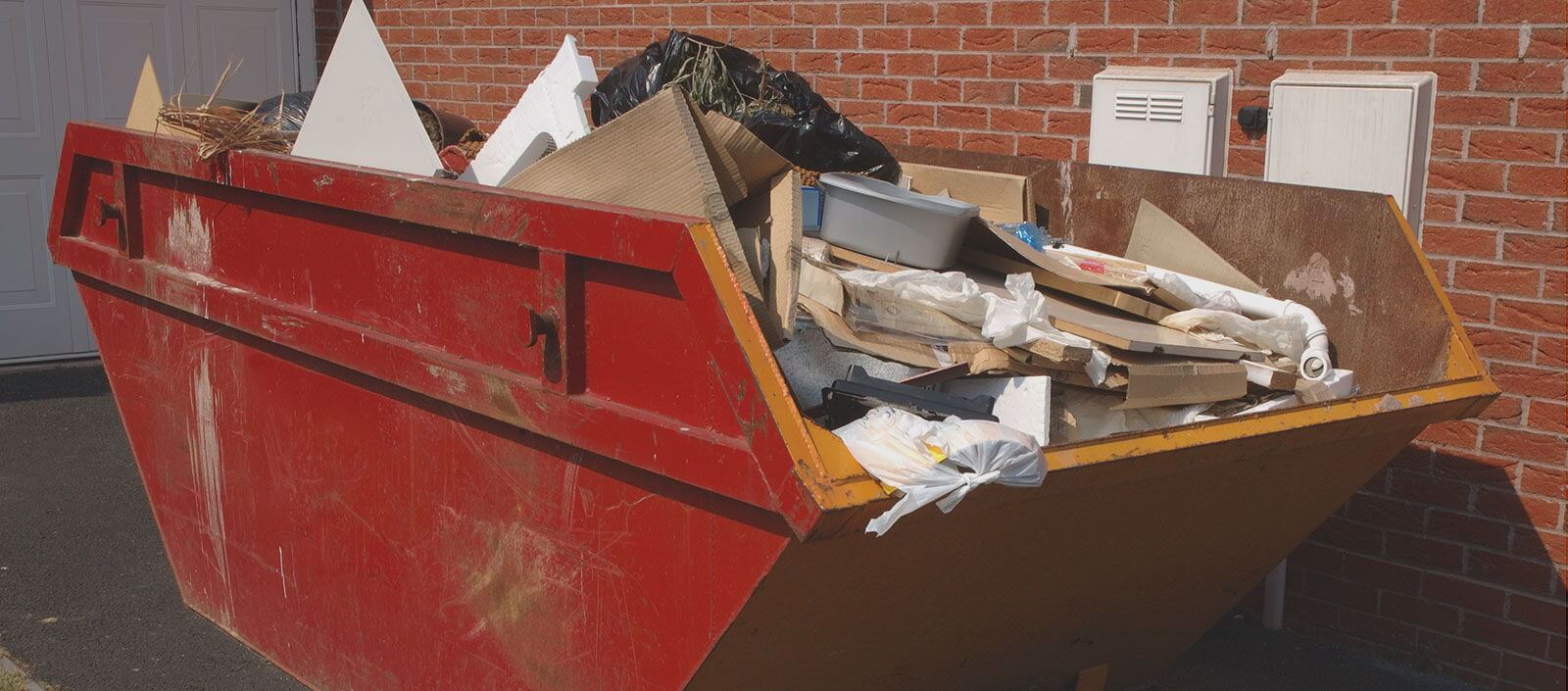
Waste Removal in Watford
Waste Removal Watford provides waste removal in Watford for homes, landlords, trades and local businesses that need practical collection and clearance work carried out with care. The service covers everyday rubbish, bulky items, garden cuttings, appliance disposal and more structured clearances where mixed materials need separating and taking away sensibly. If you want a straightforward way to clear unwanted waste without overcomplicating the job, this page sets out the main options and how they are usually approached.
The work is organised around the type of waste, access to the property and the amount to be removed. That means a collection can be arranged for a single item, a room full of household clutter, or a larger commercial load that needs a tidy and efficient process. For a quick overview of what is available, see the services overview, then use the guidance below to decide which kind of removal best suits your situation. Clear scope at the start helps the right team and vehicle be matched to the job.
Customers often want the process to stay simple, so the service is usually discussed in terms of what needs removing, where it is located and whether there are any items that require special handling. That practical approach works well for one-off clearances as well as recurring waste tasks. If you are comparing options, the page on prices is a useful place to start, and you can also use the plain text prompt: ask for a quotation when you are ready.
Household waste and general rubbish clearance
Domestic waste collection is often the simplest choice for day-to-day clutter, bagged rubbish, broken household items and mixed waste that no longer needs to stay on the property. The aim is to remove unwanted material cleanly and leave the space usable again, without making the customer sort every item into separate trips. When the job is small, that might mean a quick collection from the front of a house or flat; when it is larger, the work may involve several bulky loads taken in one planned visit.
Some households also need help when rubbish has built up over time and needs a fuller clear-out. In those cases, a structured approach matters more than speed alone: identifying what is to stay, what is to go, and how access will work through hallways, stairwells or side paths. The dedicated domestic waste collection page gives a more specific view of this type of work, while the broader rubbish collection option suits general mixed waste that needs removing promptly and responsibly.
What to consider before booking a collection
Two details are usually the most helpful when requesting a quotation: an accurate idea of the amount of waste and a clear description of the types of items involved. If there are heavy objects, sharp edges, awkward stairs or limited parking, those factors can affect the labour needed and the vehicle choice. It is also sensible to note anything that should not be mixed with ordinary rubbish, such as specialist materials that require separate treatment.
For customers comparing household and mixed-rubbish options, the important decision is not only the waste type but also how the collection needs to happen. A single item can sometimes be handled alongside other material, while a full domestic clearance may be better planned as one complete visit. If you are ready to move forward, use the quotation route and describe the job plainly so the response reflects the real work involved.
Bulky items, furniture and appliance disposal
Bulky waste is a common reason people arrange removal, especially when old furniture, mattresses, wardrobes, white goods or mixed household items need taking away together. Items such as fridges, washing machines and cookers can be awkward to move, so the clearance method should reflect their size, weight and any handling needs. The furniture disposal service is suitable where sofas, tables, beds and similar items need clearing from a room or property without a separate self-haul journey.
Where appliances are included, the service needs to stay practical rather than rushed. A fridge or freezer may require more careful movement than a chair, and a mixed load may include both reusable-looking items and waste that is only fit for disposal. The white goods and appliance disposal page covers that more specific need, while the furniture removal page is useful where the main task is taking away larger household pieces from the property.
Good planning for bulky removals usually comes down to access, item condition and the number of pieces involved. A narrow staircase, basement flat or loft room can change the effort needed, and a mixed job may need more space in the vehicle than a single-item collection. If you have items ready to go, keep the description simple and ask for a quotation. That is often enough to begin the process without overcomplicating it.
Garden waste and outdoor clear-ups
Garden waste removal is designed for cuttings, branches, soil, turf and other outdoor material that has built up after maintenance or landscaping. It is a useful choice when green waste is too bulky for normal household disposal or when bags, piles and trimmings need to be taken away in one organised load. The dedicated garden waste removal page suits customers who want a more focused service for outdoor material rather than a general rubbish collection.
This type of work often suits a tidy, practical plan. A garden clear-up might involve wheelbarrow access through side gates, bagged cuttings at the front, or a larger amount of mixed outdoor debris after pruning or replanting. If timber, planters, old fencing or broken garden furniture are involved as well, the job can still be handled as a mixed clearance, provided the scope is clear. Using accurate item details helps avoid confusion about what should be taken and what should remain on site.
Outdoor waste is best described by material and volume rather than broad labels. “A few bags of hedge cuttings” and “an overgrown rear garden with branches and broken timber” are very different kinds of work, and they will be assessed differently. If the garden has been trimmed back after a long period without maintenance, it may help to mention whether the waste is loose, bagged or still stacked in one place. Then ask for a quotation based on the actual load.
Builders’ waste and renovation debris
Builders’ waste disposal is intended for the sort of debris that comes from repairs, refurbishments and light construction work: plasterboard, timber offcuts, broken fixtures, packaging, tiles and mixed renovation waste. It is distinct from ordinary household rubbish because the load is often heavier, dustier and more varied in composition. The builders’ waste disposal page is the best fit when the main need is to clear post-work material from a site, room or property.
Commercially, the sensible question is whether the load is mainly inert building debris or a mixed renovation clear-out with some recyclable and some non-recyclable material. That distinction affects how the work is planned and whether the waste can be grouped into one collection or needs separating first. Small-scale projects often generate awkward leftovers such as packaging, damaged fittings and offcuts that are not worth keeping. Larger jobs may need multiple items removed from more than one floor, so access and lifting route matter.
The most useful quotation details for renovation waste are the type of material, the approximate quantity and whether the waste is stacked, bagged or spread out. If work is still under way, it is also helpful to say whether the collection needs to happen around other contractors. A clear plan keeps the clearance efficient and helps ensure the right service is used for the right kind of debris.
House clearances and loft clearance work
House clearance in Watford suits situations where a full or partial property needs to be emptied of furniture, general household items, appliances, boxed contents and mixed waste. This can be relevant after a move, a property change, or when rooms need to be brought back into usable condition. The house clearance page is the most direct match for whole-property work, while the loft clearance page is more specific where the main task is removing stored items from above the main living space.
Clearance work of this kind is usually best handled in a structured way. One part of the property may contain bulky furniture, another may contain boxes and loose household goods, and lofts often include a mix of light but awkwardly shaped items that have been stored for years. It helps to separate what must be removed from anything that is staying, especially where the property includes delicate or sentimental belongings. The process is then easier to plan, and the right size of crew and vehicle can be matched to the task.
When a property contains more than one kind of waste, the important decision is not whether it can be cleared at all, but how much sorting and lifting will be needed before the load can be taken away. A partial clearance may be enough for one room, while a complete house clearance suits a larger or more complex job. In either case, a concise description of the rooms, access and item types is usually the best starting point for a quotation.
About Watford
Watford is a town in Hertfordshire, positioned to the north-west of London and shaped by its long connection with transport, trade and suburban growth. Its centre developed around the River Colne and the routes that linked London with the Midlands, and over time the town expanded from a market settlement into a significant commuter and commercial place. The arrival of the railway in the nineteenth century brought stronger links to the capital, and that changed the pace and pattern of development. Watford today combines older streets, civic buildings and modern retail and leisure spaces, with the town centre acting as a busy focus for shopping, offices and movement around the district. Cassiobury Park is one of its most recognisable green spaces, notable for open parkland and the historic landscape associated with the former estate. The area also includes the Grand Union Canal nearby, which adds a quieter waterway setting to parts of the town and reflects the transport history that helped shape it. Cultural life has been influenced by local football, theatre and events, while housing ranges from Victorian terraces and inter-war streets to newer developments. The result is a place with a varied urban character rather than a single uniform centre, and that mix is visible in the different neighbourhoods, roads and public spaces that sit around the town core.
Commercial waste and office clearance
Commercial waste removal is suited to shops, offices, workrooms and other business premises that need unwanted material cleared away without disrupting normal operations more than necessary. It may involve packaging, broken fixtures, storage items, shelving, paperwork waste or a mixture of general rubbish and bulky pieces. The commercial waste removal page is the natural place for that work, while the office clearance page is more specific where desks, chairs, partitions and office contents need to be taken out in an orderly way.
In business settings, the main decisions are usually about timing, access and the type of material involved. Some clearances can be done after hours or in quieter periods; others happen while the premises are still in use and need a more careful route. A workplace may also have a mix of recyclable office furniture, general waste and obsolete equipment, which makes it sensible to describe the job in categories rather than one broad phrase. That helps with practical planning and with avoiding unnecessary delays on the day.
For quotations, it is useful to note whether the waste is coming from one room, several floors or a stock area, and whether there are lifts, loading bays or restricted entry points. If there are items that need disassembly before removal, mention that too. A clear description of the premises and the load makes commercial clearance easier to assess and keeps the service aligned to what is actually needed.
Pricing, safety and responsible disposal
When customers compare waste removal options, the most relevant price factors are usually volume, weight, material type, access and any extra handling needed for heavy or awkward items. A straightforward bagged load is simpler than a mixed clearance with furniture, appliances and debris from several rooms. The pricing and quotes page is useful if you want a clearer sense of how quotations are approached, while the service pages remain the best way to judge which category your job fits into.
Safe removal also depends on the way the waste is handled. Items need to be carried out without causing damage to walls, floors or fixtures, and certain materials should be separated rather than mixed with ordinary household rubbish. If you want to understand the approach to handling and transport, the insurance and safety page and the waste carrier licence and compliance page provide supporting detail. Responsible disposal matters not only for compliance but also for making sure the collection is handled properly from start to finish.
There are usually a few easy steps that make a quotation more accurate.
- List the main item types, such as furniture, rubble, green waste or appliances.
- Say whether the waste is in one place or spread through the property.
- Note access issues, parking limits or stairs if they matter.
- State whether the load is ready now or part of a staged clearance.
With that information, it is much easier to match the job to the right kind of removal. If you are ready, ask for a quotation using the contact page.
Recycling, payment and getting in touch
Where possible, waste collections should support sorting and recycling rather than simply moving material from one place to another. The recycling and sustainability page sets out the general approach, which is useful for customers who want a service that treats different waste streams with care. Not every load will be the same, but separating reusable materials, recyclable items and general waste makes the whole process more orderly and can be especially relevant when a job includes mixed household or trade material.
Payment and security are also part of a smooth customer experience, particularly where a quotation is being prepared in advance. The payment and security page gives supporting information, and the about us page is available for anyone who wants to see the broader business context behind the service pages. For a clear route into an enquiry, the final step is simple: use the contact page once you know what needs removing and where it is located.
To finish, choose the service that best matches your waste, describe the load plainly and request a quotation from the contact us page. If you are still deciding between a few related options, keep the description short and specific, and the right path can be identified quickly.