Skip hire and rubbish collection Nascot Wood Watford WD18
Posted on 12/10/2026

If you are clearing a house, tidying a garden, or dealing with a pile of builders' waste that has quietly grown teeth, Skip hire and rubbish collection Nascot Wood Watford WD18 can be the difference between a smooth project and a stressful one. In Nascot Wood, where properties range from family homes to flats and renovation projects, waste builds up fast. And let's be honest, nobody wants bags stacked in the hallway for a week longer than necessary.
This guide explains how skip hire and rubbish collection works in plain English, who it suits, what to check before booking, and how to avoid the usual headaches. You will also find practical tips on compliance, pricing expectations, and choosing the right waste solution for your job. If you want a tidy result without the guesswork, you are in the right place.
Why Skip hire and rubbish collection Nascot Wood Watford WD18 Matters
Waste removal sounds simple until you are actually in the middle of it. Suddenly you are deciding between keeping everything in bin bags, booking a skip, arranging man-and-van collection, or making multiple trips to a waste site. In a local area like Nascot Wood, where access can vary from wider residential drives to tighter streets and shared spaces, the wrong choice can waste time and create unnecessary disruption.
That is why choosing the right rubbish collection or skip hire option matters. It is not only about getting rid of waste. It is also about keeping a project moving, protecting your property, and avoiding clutter that gets in the way of everyday life. A kitchen refit, a loft clear-out, or a garden overhaul can feel much more manageable when the waste plan is sorted from the start.
There is also the practical side. Mixed waste, bulky furniture, soil, builders' rubble, and general household rubbish all behave differently. Some loads are fine for a skip, while others need more careful sorting or specialist handling. A good service helps you match the waste type to the right collection method. Simple idea. Big difference.
Expert summary: The best waste solution is rarely the cheapest-looking one at first glance. It is the one that fits your access, waste type, timeline, and disposal obligations without creating extra work later.
If you live or work in WD18, local knowledge also helps. A team that understands parking constraints, permit considerations, and the practical realities of Watford properties can make the whole process feel far less awkward. Nobody wants a skip arriving at the exact moment the road is blocked by school-run traffic. Not ideal, to put it mildly.
How Skip hire and rubbish collection Nascot Wood Watford WD18 Works
At a basic level, there are two main ways to deal with larger amounts of waste: hire a skip or arrange rubbish collection. Both aim to solve the same problem, but they work differently.
Skip hire in simple terms
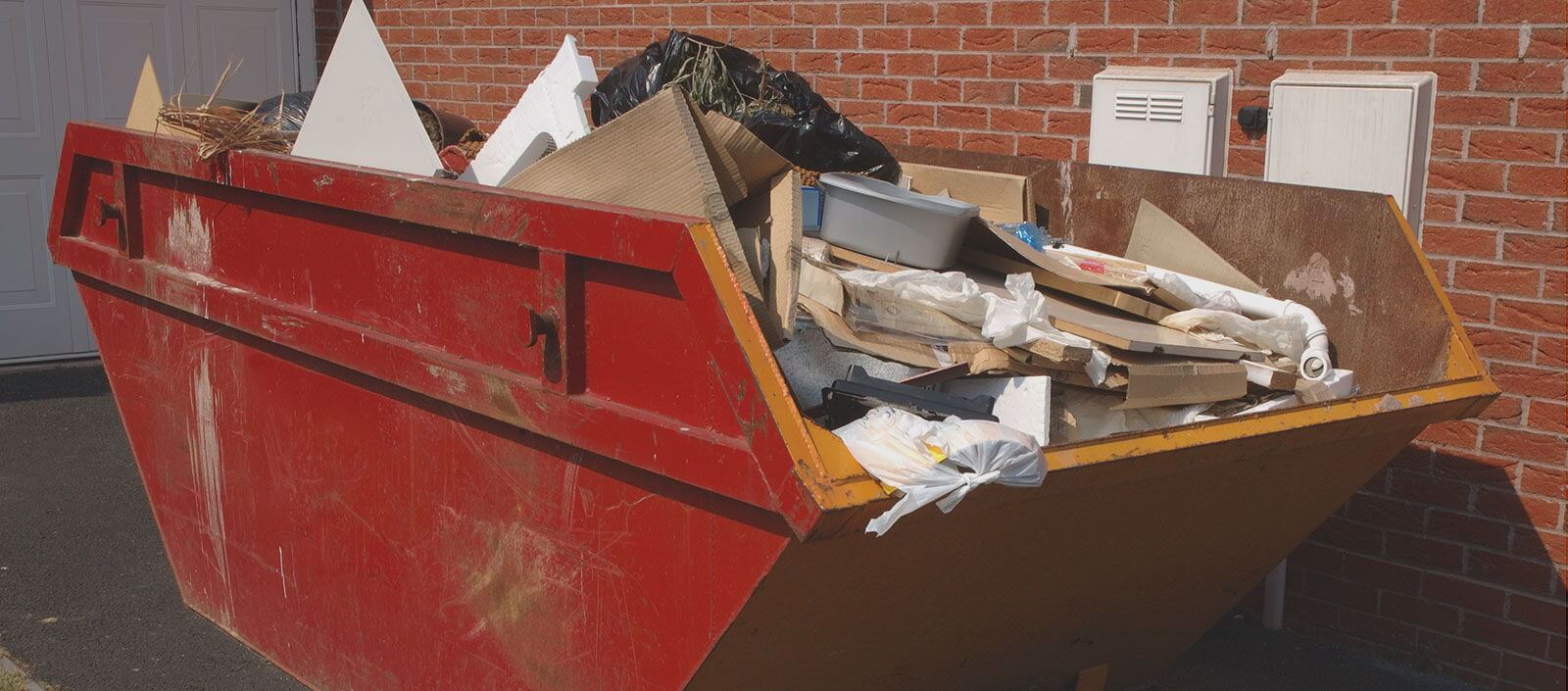
With skip hire, a container is delivered to your property or site. You fill it over a set period, and then it is collected once you are done or once the hire period ends. This works well if you are generating waste over several days or weeks, such as during a renovation, landscaping job, or major declutter.
Skips are usually measured by cubic yard size, and the right size matters more than people think. Too small, and you end up needing another one. Too large, and you may pay for space you never use. It is one of those decisions that sounds minor but ends up shaping the whole job.
Rubbish collection in simple terms
Rubbish collection is more direct. A team comes to remove your waste, usually in one go, and you pay for the volume, type, and labour involved. This can suit smaller jobs, quick clearances, or situations where you do not have room for a skip. In a place like Nascot Wood, where driveway space and road access vary, this flexibility can be very useful.
In practical terms, rubbish collection often suits bulky items, household clearances, or mixed waste that is already bagged and ready to go. Skip hire often suits ongoing projects where waste accumulates gradually. Neither is universally better. It depends on what you are actually dealing with, which sounds obvious, but people still get it wrong all the time.
What usually happens from booking to collection
- You describe the waste, location, and volume.
- The provider advises the best service and suitable size or load type.
- Booking is arranged for a delivery or collection slot.
- You load the waste safely and follow any limits on prohibited materials.
- The skip or waste load is collected and taken for sorting, recycling, or disposal.
Some providers also offer guidance on segregating recyclable materials or separating soil, hardcore, green waste, and general rubbish. That little bit of guidance can save money and reduce contamination. Worth asking about.
Key Benefits and Practical Advantages
There are several strong reasons people choose professional skip hire or rubbish collection instead of trying to manage waste piecemeal.
- Less time wasted: One proper collection is usually faster than repeated trips in a car or van.
- Cleaner site: Waste stays contained instead of spreading across the garden, driveway, or hallway.
- Better project flow: Trades and household jobs move faster when rubbish is out of the way.
- Safer working conditions: Fewer trip hazards, sharper objects left lying around, and less clutter.
- More suitable for larger jobs: Ideal for refurbishments, clearances, and bulky waste removal.
- Improved waste handling: Reputable providers sort loads more carefully and route recyclable material appropriately.
There is also a quieter benefit that people often underestimate: peace of mind. You know where the waste is going, you have a plan, and the job feels under control. That mental relief matters, especially if you are balancing a renovation with work, family life, or a deadline that has already got too close for comfort.
For landlords, property managers, and small businesses, this matters even more. Emptying a flat, clearing office furniture, or managing builders' debris after maintenance works all require a service that is reliable and, ideally, not a faff. Nobody wants a site left untidy at the end of the day.
Who This Is For and When It Makes Sense
Skip hire and rubbish collection in Nascot Wood make sense for a surprisingly wide range of people. It is not only for builders, although that is a big part of it.
Homeowners
If you are clearing out a loft, replacing a kitchen, ripping up old flooring, or doing a big garden tidy-up, waste accumulates quickly. Household bins are not designed for old units, broken fencing, tiles, or a week's worth of broken-down clutter.
Renters and flat residents
People in flats or shared homes often cannot keep a skip on-site easily. In that case, a rubbish collection service may be the more practical option. It can also be better if you need a fast turnaround and do not have storage space for waste.
Landlords and letting agents
End-of-tenancy clearances are a common trigger for this kind of service. When previous occupiers leave behind furniture, bags of rubbish, or a mixed collection of items, a prompt removal helps you prepare the property faster.
Tradespeople and contractors
Builders, decorators, landscapers, and fit-out teams need waste gone regularly. A skip may suit ongoing work, while one-off rubbish collection is handy when the job generates an awkward mix of waste that needs removing quickly.
Businesses and offices
Office clearances, stockroom tidies, and shop refurbishments all benefit from a well-planned waste solution. In a busy working environment, clutter has a habit of multiplying by Friday afternoon. Strange how that happens.
Truth be told, if you are unsure whether your job is "big enough" for a skip or "small enough" for collection, you are probably in the exact middle ground where advice matters most. That is where a good provider earns its keep.
Step-by-Step Guidance
If you want to organise waste removal properly the first time, use a simple step-by-step approach. It keeps costs down and avoids the usual last-minute mistakes.
- Identify the waste type. Is it household rubbish, garden waste, rubble, furniture, soil, or a mix? Some items can be handled together, while others are best separated.
- Estimate the volume. A small bedroom clear-out is very different from a full house clearance. Try to visualise the amount in practical terms, not just "quite a lot".
- Check access. Can a skip lorry reach the property? Is there space on the drive? Will the collection crew need to carry items from inside the house?
- Decide between skip and collection. If the waste will build up over several days, skip hire may suit you better. If you need a one-off removal, rubbish collection may be simpler.
- Ask about restricted items. Most services have rules around hazardous materials, fridges, tyres, plasterboard, paint, batteries, and certain electrical items.
- Confirm the timing. A short delay can matter if trades are waiting or if access is limited to certain hours.
- Load safely. Place heavy items at the bottom, avoid overfilling, and keep the waste evenly distributed where possible.
- Prepare for collection. Make sure the provider can access the waste easily on the agreed day. Sounds basic, but blocked driveways happen more often than people admit.
If a permit is needed for a skip on a public road, sort that early. Leaving it to the last minute is a classic headache. Not dramatic, just annoying enough to wreck your week.
Expert Tips for Better Results
Over the years, one thing becomes clear: the best waste jobs are usually the ones planned just slightly better than everyone expects. Not wildly better. Just enough to avoid chaos.
- Separate waste before the crew arrives. Mixed waste is fine in many cases, but sorting recyclable material early can help lower contamination risk.
- Break down bulky items. Flat-pack furniture, cardboard, and soft furnishings take up far less room when reduced first.
- Keep prohibited items aside. If something needs specialist handling, do not hide it in the general pile and hope for the best.
- Plan for weather. A rainy morning can make garden waste heavier and messier, and nobody enjoys dragging sodden bags across a path.
- Choose the right service for the street. In narrower parts of Watford, a collection vehicle may be easier than a skip that sits in place for days.
- Photograph the load if needed. If you are managing a rental, build, or business clearance, a quick photo before collection can help keep everything clear.
One practical tip that often gets overlooked: ask how the provider handles recyclable material. A well-run waste service will usually aim to divert as much as possible away from disposal, and that is good for both the environment and the feel of the project. You do not need to make a speech about sustainability. Just ask the question.
Also, if you are comparing quotes, make sure you are comparing like for like. Included labour, wait time, weight allowances, and collection method can all change the real cost. A quote that looks cheaper on paper may turn out to be less convenient, which is a bit of a false economy.

Common Mistakes to Avoid
Most waste problems are avoidable. The frustrating part is that the mistakes are usually small, not dramatic.
- Choosing the wrong size or service. A skip that is too small leads to extra costs; a collection booked too late can hold up your project.
- Ignoring access issues. Driveway width, overhead cables, parked cars, and narrow entrances all matter.
- Mixing restricted items with general rubbish. This can create safety, compliance, or disposal problems.
- Overfilling a skip. Waste above the fill line may not be collected safely.
- Forgetting permit or parking considerations. If the skip cannot go on private land, you may need extra time to arrange permission.
- Not checking what is included. Delivery, collection, labour, and disposal are not always wrapped into one neat price.
Another common slip? Underestimating the amount of rubbish in a house or garden. It looks manageable at first. Then you pull out one old cupboard and discover it has been hiding a decade of damp cardboard behind it. Happens all the time.
So, measure carefully, ask clear questions, and do not assume the first option is automatically the right one. That little pause before booking is usually worth it.
Tools, Resources and Recommendations
You do not need specialist equipment to organise waste removal, but a few practical tools can help you work faster and avoid mess.
- Heavy-duty bin bags: Useful for loose household rubbish, soft furnishings, and lightweight mixed waste.
- Work gloves: Basic, but worth having if you are moving sharp or dusty items.
- Tape measure: Helps estimate access and waste volume more accurately than guesswork.
- Utility knife or box cutter: Handy for breaking down cardboard and flat-pack furniture.
- Tarp or ground sheet: Useful for keeping garden waste, soil, or rubble more contained.
- Labels or marker pens: Great for separating items that may need different handling.
If you want a smoother experience, browse the provider's own service pages before booking. For example, the local pages for rubbish collection in Watford, general waste removal, and domestic waste collection can help you match the job to the right service. If your waste is from a refurbishment or construction job, the page on builders' waste disposal is especially relevant.
For bulky household items, the pages for furniture removal and furniture disposal are worth a look. If you are clearing a kitchen or utility area, appliance disposal can be useful too.
And if you prefer to understand the service framework first, the pages on services overview, pricing and quotes, and about us give a clearer picture of how the provider works. A quick read now often saves a lot of back-and-forth later.
Law, Compliance, Standards, or Best Practice
Waste collection in the UK sits within a sensible but important framework. You do not need to become a compliance expert just to clear a loft, but you do need to know a few basics.
First, always use a waste carrier that can demonstrate proper compliance. Reputable providers should be able to explain how waste is transported, handled, and transferred for disposal or recycling. That is not just box-ticking; it protects you as well. If waste is fly-tipped after being collected by an unlicensed operator, the original producer of the waste can still end up with a serious headache. Nobody wants that.
Second, certain materials require special handling. Hazardous items, some electrical waste, and certain construction materials may need separate treatment. A responsible provider should tell you what can and cannot go together. If they are vague, that is a warning sign.
Third, if a skip is placed on a public road, local permission or parking arrangements may be needed. Requirements vary by location and circumstance, so check before you book rather than assuming it will be fine. It is usually much easier to sort this upfront than to chase it later while the skip lorry is waiting.
From a best-practice point of view, the safest approach is simple: describe the waste honestly, separate anything questionable, keep access clear, and use a provider with clear terms and proper insurance. If you want a sense of the company's standards, the pages on waste carrier licence and compliance, insurance and safety, and recycling and sustainability are helpful. They show the kind of operational detail you should expect from a professional service.
As a general rule, if a provider is happy to answer specific questions without hesitation, that is a good sign. If they dodge them, maybe not.
Options, Methods, or Comparison Table
The right waste solution depends on access, timescale, and the type of rubbish you have. Here is a simple comparison to make the decision easier.
| Option | Best for | Strengths | Limitations |
|---|---|---|---|
| Skip hire | Renovations, ongoing clear-outs, garden overhauls, builders' waste | Good for gradual loading, keeps waste contained, suits larger volumes | Needs space, may require a permit, not ideal for very tight access |
| Rubbish collection | One-off clearances, bulky items, mixed household waste, quick removals | Fast, flexible, no container sitting outside, often better for limited space | Less convenient for waste generated over many days, labour may affect price |
| Self-haul to a site | Very small volumes and people with suitable transport | Direct control over timing | Time-consuming, multiple trips, fuel, loading effort, and disposal knowledge needed |
In Nascot Wood, the first two options are usually the most practical. Self-haul can work for a couple of bags or a small car-load, but once waste starts filling the boot repeatedly, the method becomes tedious very quickly.

Case Study or Real-World Example
A typical example is a family clearing a semi-detached home in WD18 before a kitchen replacement. They have old cupboards, broken drawers, packaging, a few bags of general waste, and a pile of garden clippings from the side return. At first, they think they can manage it with a few trips in the car. By the end of the first day, the driveway looks like a storage unit with better lighting.
In that situation, the better choice is usually a properly planned rubbish collection or a modest skip, depending on access. If the waste appears in stages as the kitchen is removed, skip hire gives the team somewhere to drop items as they go. If all the waste is already stacked and ready, a collection service may be faster and less disruptive.
What made the difference in this kind of job was not just the removal itself. It was the prep. The household separated reusable items, kept plasterboard aside where required, flattened packaging, and made sure the collection access point was clear by mid-morning. Nothing glamorous. But it worked.
By the end of the day, the space felt calm again. Not perfect, not polished - just clear enough to breathe in. That counts for a lot when you are in the middle of a project.
Practical Checklist
Use this quick checklist before you book your waste service. It can save time, money, and a few grey hairs.
- Identify the main waste type: household, garden, builders', bulky items, or mixed.
- Estimate how much waste you have, and allow a little extra if you are unsure.
- Check whether your property has enough access for a skip or collection crew.
- Decide whether the waste will be generated over time or removed in one visit.
- Separate anything that may need special handling.
- Ask about permitted and prohibited items.
- Confirm whether a permit or parking arrangement may be required.
- Check what is included in the quote.
- Make sure the collection route is clear on the day.
- Keep the provider's terms and service details handy in case you need them.
If you can tick most of these off before booking, you are already ahead of the game. Small effort now, less frustration later. Simple, really.
Get a free quote today and see how much you can save.
If you are weighing up skip hire and rubbish collection in Nascot Wood, the smartest move is usually to match the service to the job rather than forcing the job to fit the service. That little shift in thinking can make the whole process calmer, quicker, and a lot less messy. And in a busy household or worksite, calm is underrated.
Conclusion
Skip hire and rubbish collection in Nascot Wood Watford WD18 are at their best when they are chosen with a bit of care. The right option depends on access, waste volume, timing, and how hands-on you want the process to be. For some projects, a skip is the obvious fit. For others, a direct collection is cleaner, faster, and less awkward.
What matters most is making the decision before the rubbish takes over the space. Once the waste plan is in place, the rest of the job tends to feel much lighter. A clear floor, a clear driveway, a clear mind. Funny how that works.
Whether you are clearing a single room or managing a bigger refurbishment, a well-planned waste solution turns a stressful task into something manageable. Not glamorous, perhaps. But very useful. And sometimes that is exactly what you need.